Test of Resource Grid
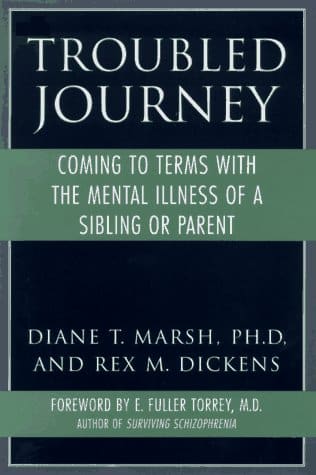
Troubled Journey: Coming to Terms with the Mental Illness of a Sibling or Parent
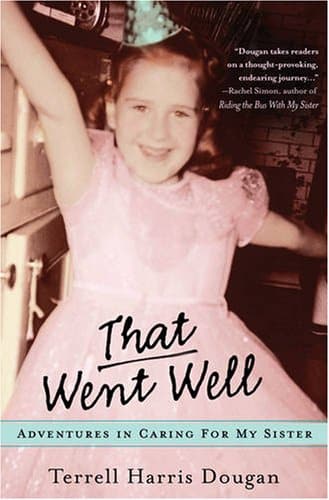
That Went Well: Adventures in Caring for My Sister
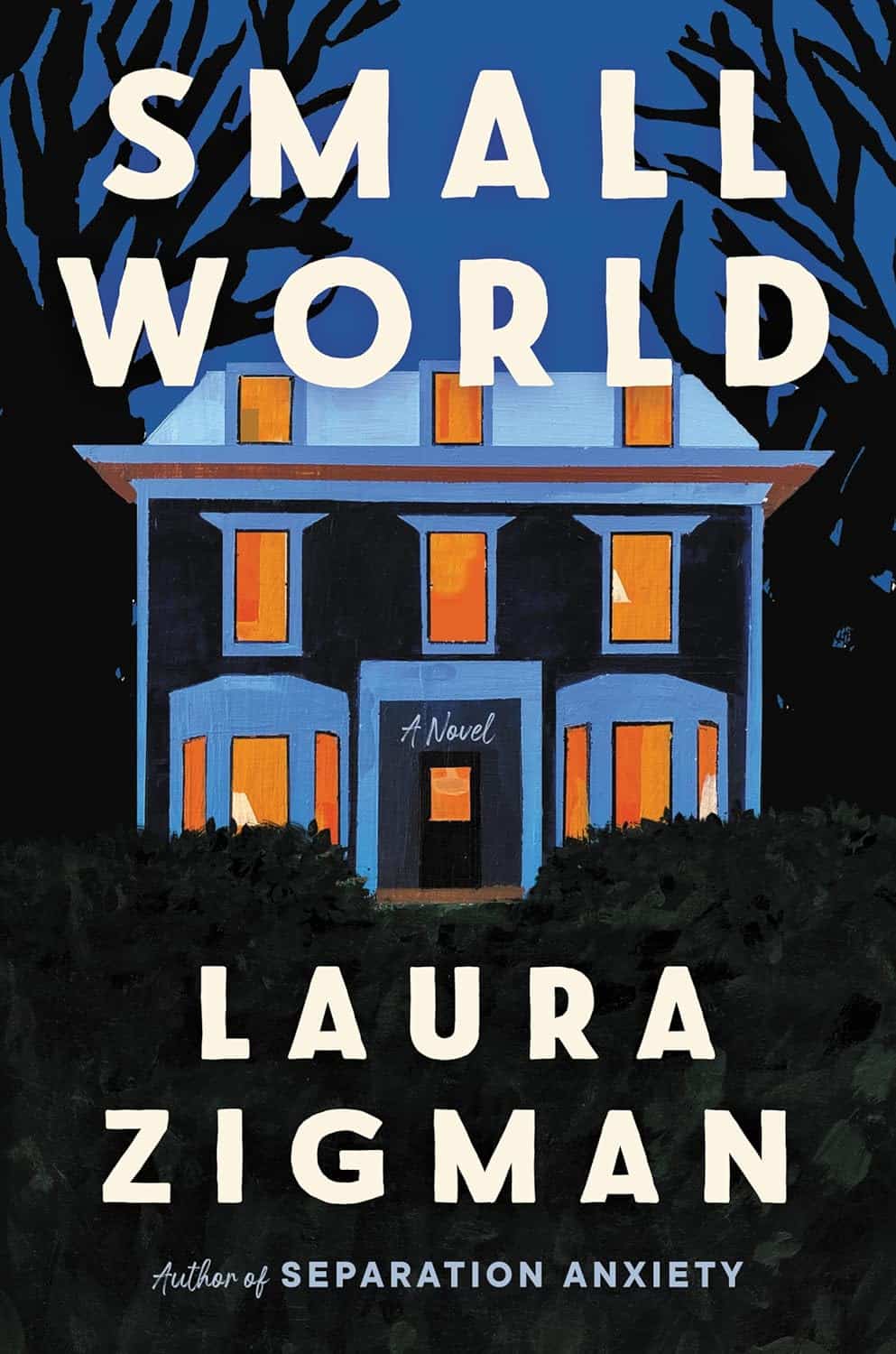
Small World: A Funny and Heartfelt Novel of Divorced Sisters, Family Secrets, and Hope
“[A] brave and heartfelt book of truths.”—New York Times Book Review (A Group Text Pick and Editors' Choice)
From bestselling author Laura Zigman comes a heartfelt novel about two offbeat and newly divorced sisters who move in together as adults—and finally reckon with their childhood
A year after her divorce, Joyce is settling into being single again. She likes her job archiving family photos and videos, and she’s developed a secret comforting hobby: trolling the neighborhood social networking site, Small World, for posts that help solve life’s easiest problems. When her older sister, Lydia, also divorced, calls to tell her she’s moving back east from Los Angeles after almost thirty years away, Joyce invites Lydia to move into her Cambridge apartment. Temporarily. Just until she finds a place of her own.
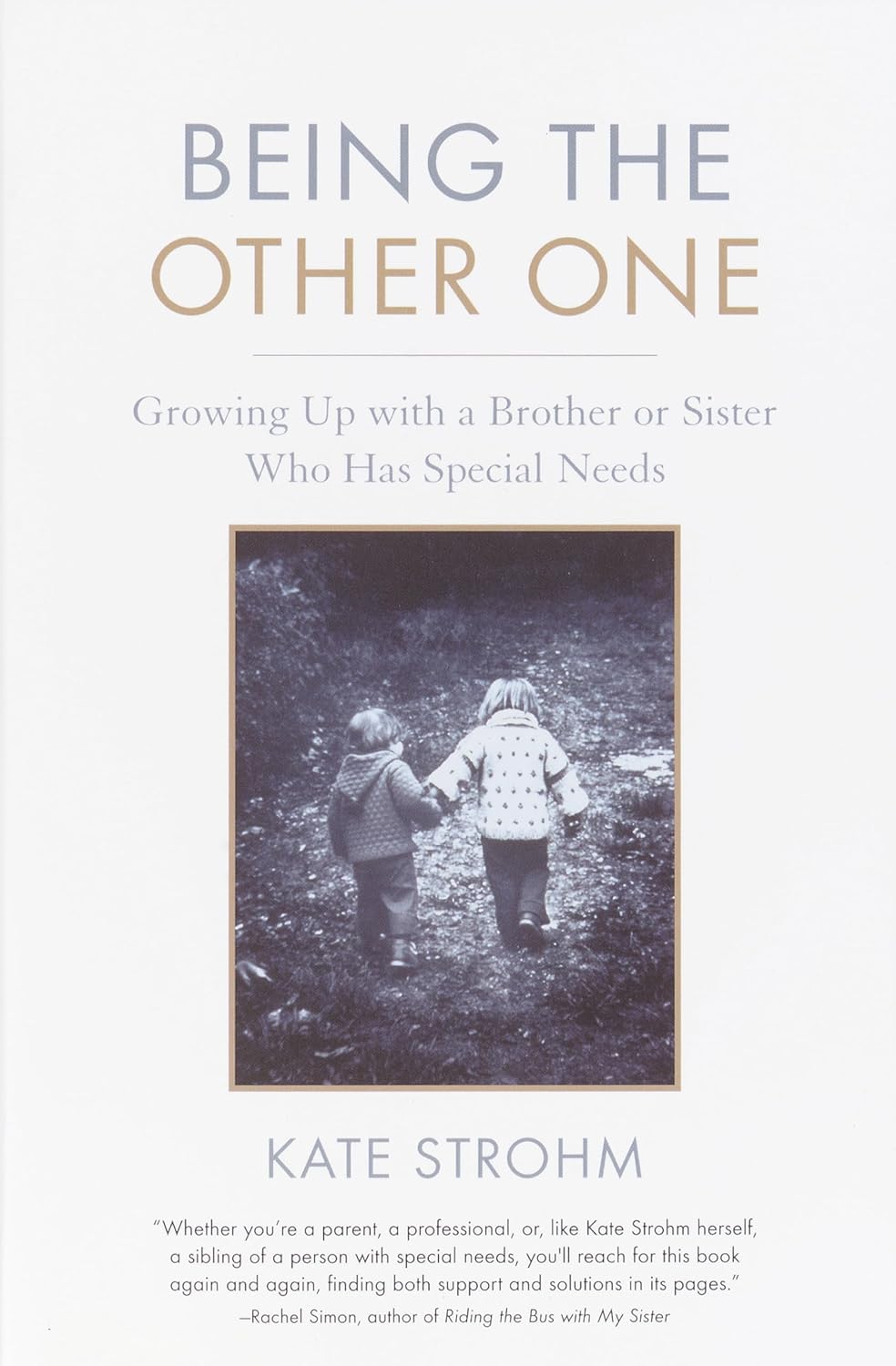
Being the Other One: Growing Up with a Brother or Sister Who Has Special Needs
When there's a disabled child in the family, how are normally developing siblings affected? According to Kate Strohm, a counselor and health educator, siblings of the disabled face particular emotional challenges that are often overlooked. Able siblings commonly struggle with feelings of isolation, grief, anger, and anxiety—and these and other emotional issues can have lifelong effects.
Being the Other One is based on the author's own experience (as a sibling of a sister with cerebral palsy) and on extensive interviews she conducted with siblings of all ages. In clear and compassionate terms, Strohm explores the often secret feelings of siblings and offers valuable strategies for coping with the challenges they face.
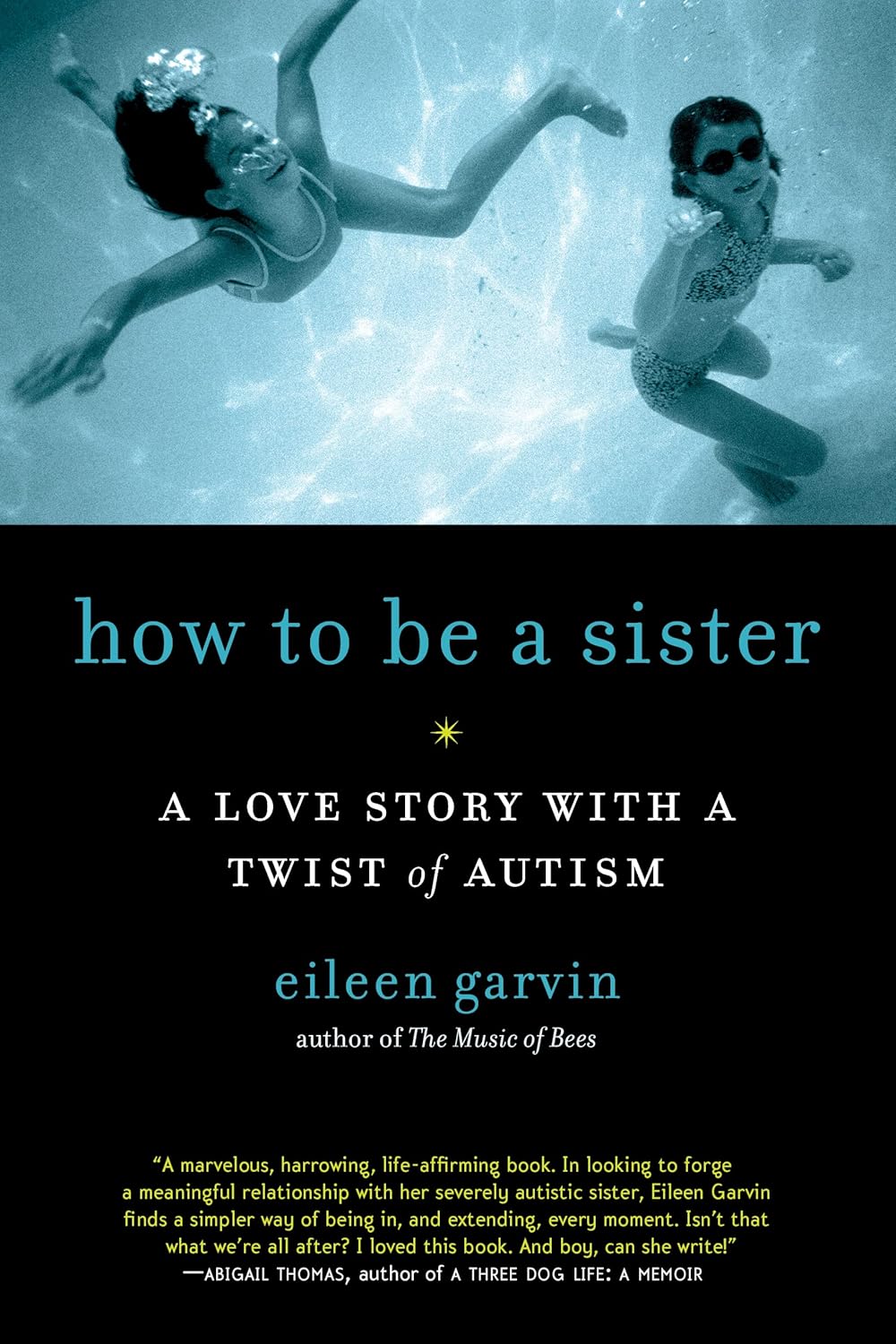
How to Be a Sister: A Love Story with a Twist of Autism
The first book by acclaimed author Eileen Garvin―her deeply felt, impeccably written memoir, How to Be a Sister will speak to siblings, parents, friends, and teachers of people with autism―and to anyone who sometimes struggles to connect with someone difficult or different.
Eileen Garvin’s older sister, Margaret, was diagnosed with severe autism at age three. Growing up alongside Margaret wasn’t easy: Eileen often found herself in situations that were simultaneously awkward, hilarious, and heartbreaking. For example, losing a blue plastic hairbrush could leave Margaret inconsolable for hours, and a quiet Sunday Mass might provoke an outburst of laughter, swearing, or dancing.
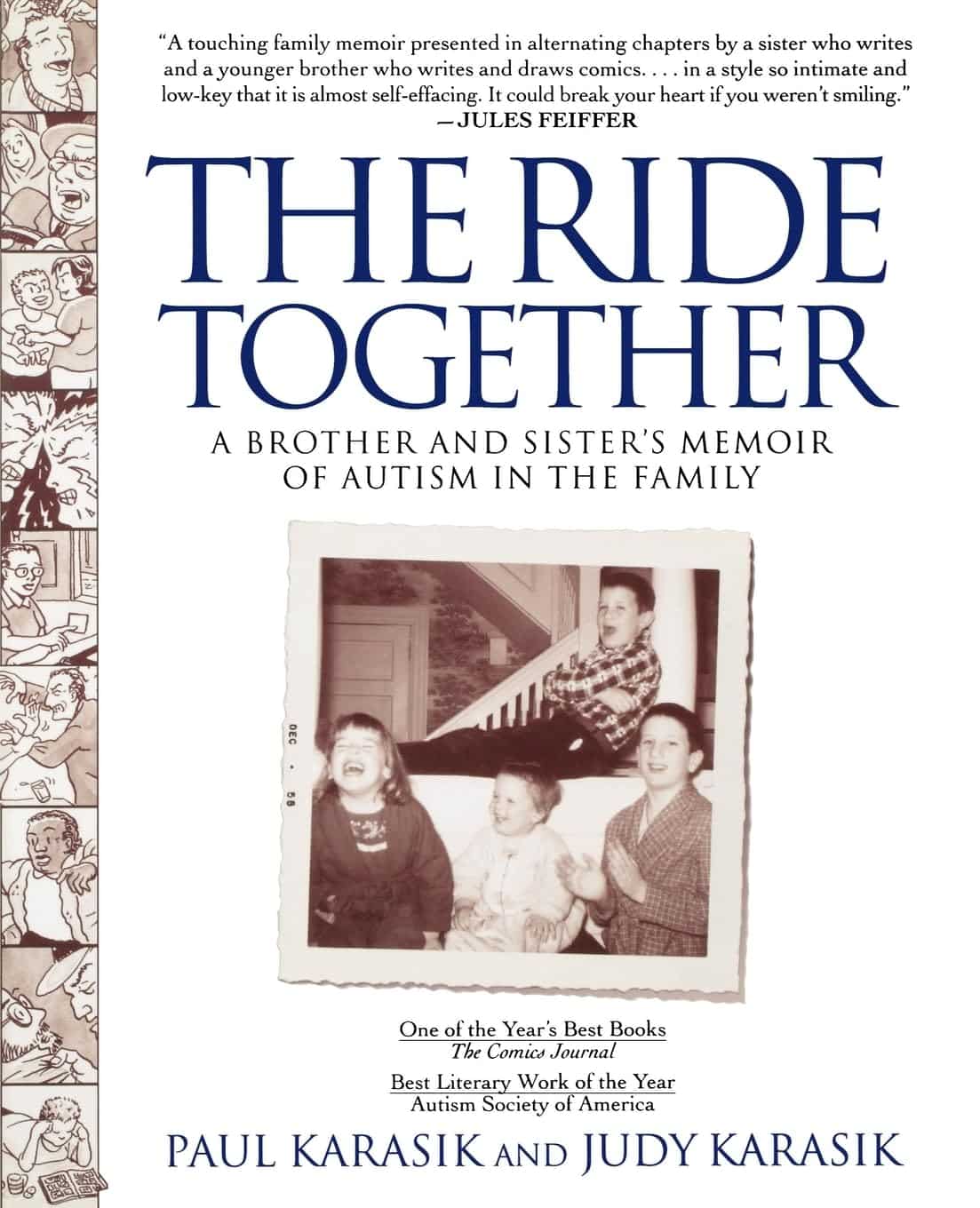
The Ride Together: A Brother and Sister’s Memoir of Autism in the Family
We looked like a cup of human fruit cocktail dumped onto the top of the house, each piece different but all out of the same can.
So begins a book unlike any other, half comics and half text, about a family that lives with autism -- and the strange life that is ordinary to them.
The oldest son, David, recites Superman episodes as he walks around the living room. A late-night family poker game spirals into a fog-driven duel. A thug from an old black-and-white rerun crawls out of the television. A housekeeper transforms into an avenging angel. A broken plate signals a terrible change in the family that none of them can prevent...until it's too late.
This groundbreaking work was excerpted in The New York Times for its ability to honestly, eloquently, and respectfully set forth what life is like with autism in the family. What sets The Ride Together apart is its combination of imagination and realism -- its vision of a family's inner world -- with David at the center.
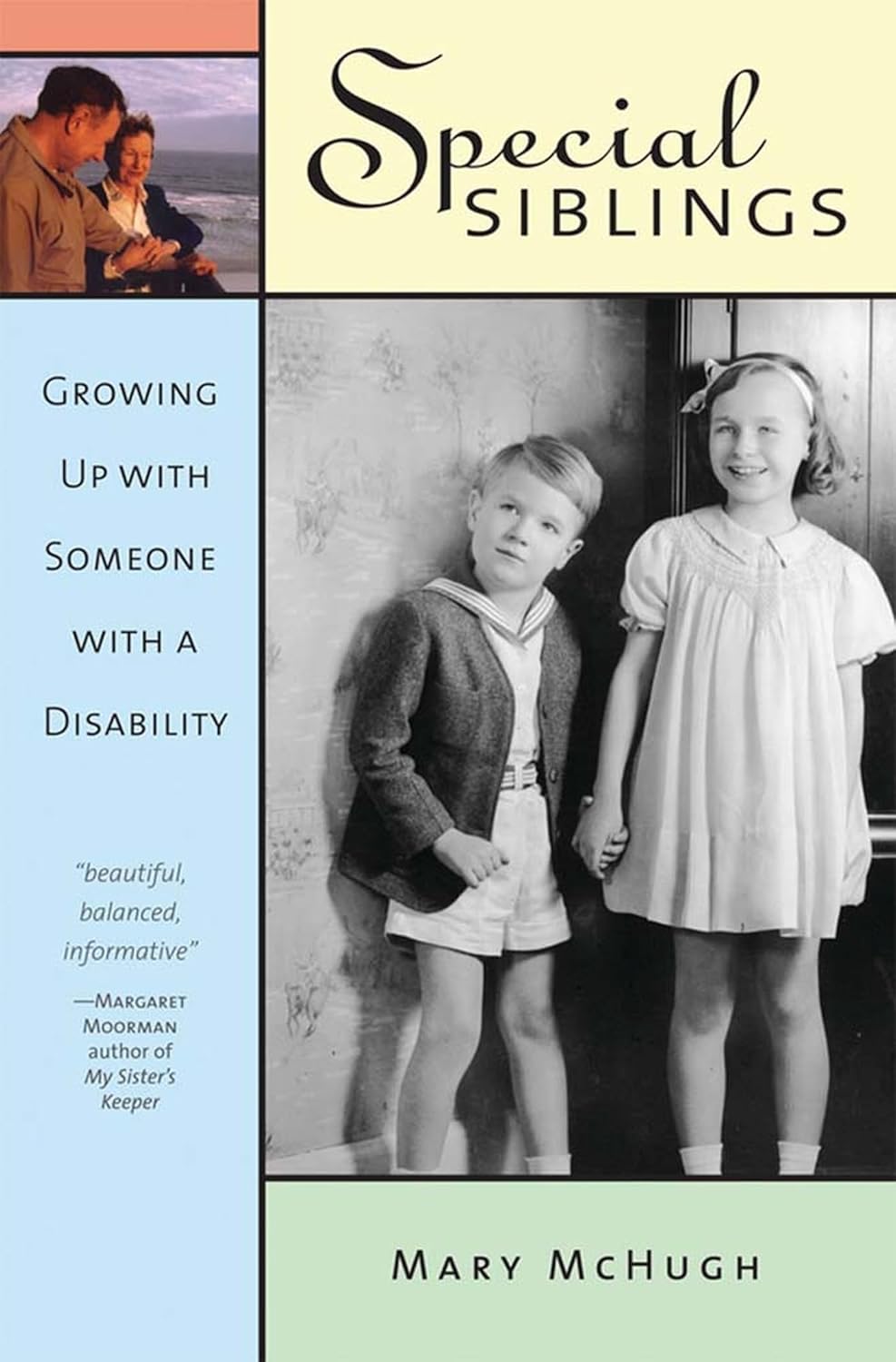
Special Siblings: Growing Up with Someone with a Disability
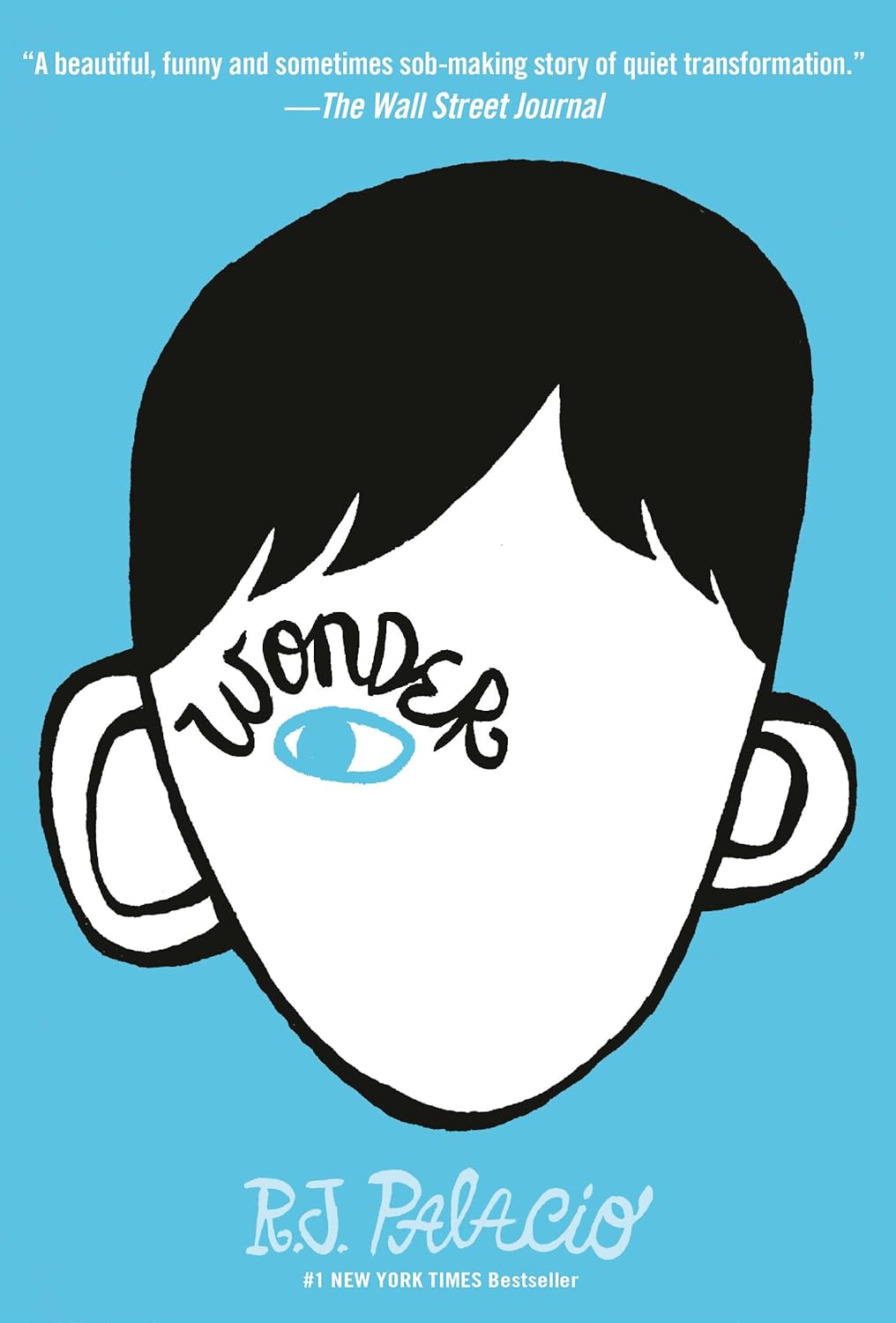
Wonder
NAMED ONE OF THE BEST CHILDREN’S BOOKS EVER BY TIME AND PARADE • E. B. WHITE READ ALOUD AWARD WINNER
I won’t describe what I look like. Whatever you’re thinking, it’s probably worse.
August Pullman was born with a facial difference that prevented him from going to a mainstream school—until now. Starting fifth grade at Beecher Prep, Auggie wants nothing more than to be treated like everybody else—but his new classmates can’t get past the way he looks.
Beginning from Auggie’s point of view and expanding to include his classmates, his sister, her boyfriend, and others, the perspectives converge to form a portrait of one community’s struggle to live up to its values.
R. J. Palacio has called her debut novel “a meditation on kindness”—indeed, every reader will come away with a greater appreciation for the simple courage of friendship. Auggie is a hero to remember who proves that you can’t blend in when you were born to stand out.
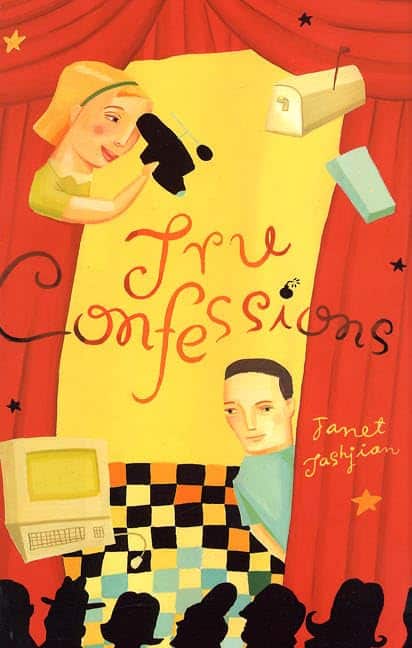
Tru Confessions
Twelve-year-old Tru wants two things more than anything else in the world--to find a cure for her twin brother, Eddie, who is developmentally delayed, and to create her own television show. So the day Tru learns about a teen video competition on the local cable network, she knows that this is her change to make both of her dreams come true. But the more she gets involved in the making of her video documentary about Eddie, the more Tru begins to understand his special needs and the complexity of her relationship with him. Eddie seems like a burden from time to time, but he just may be the most important person in Tru's life.
Written in the form of a computer diary, this refreshingly humorous novel, narrated by a sassy heroine,s sensitively portrays the struggles and triumph of living with a sibling with special needs.
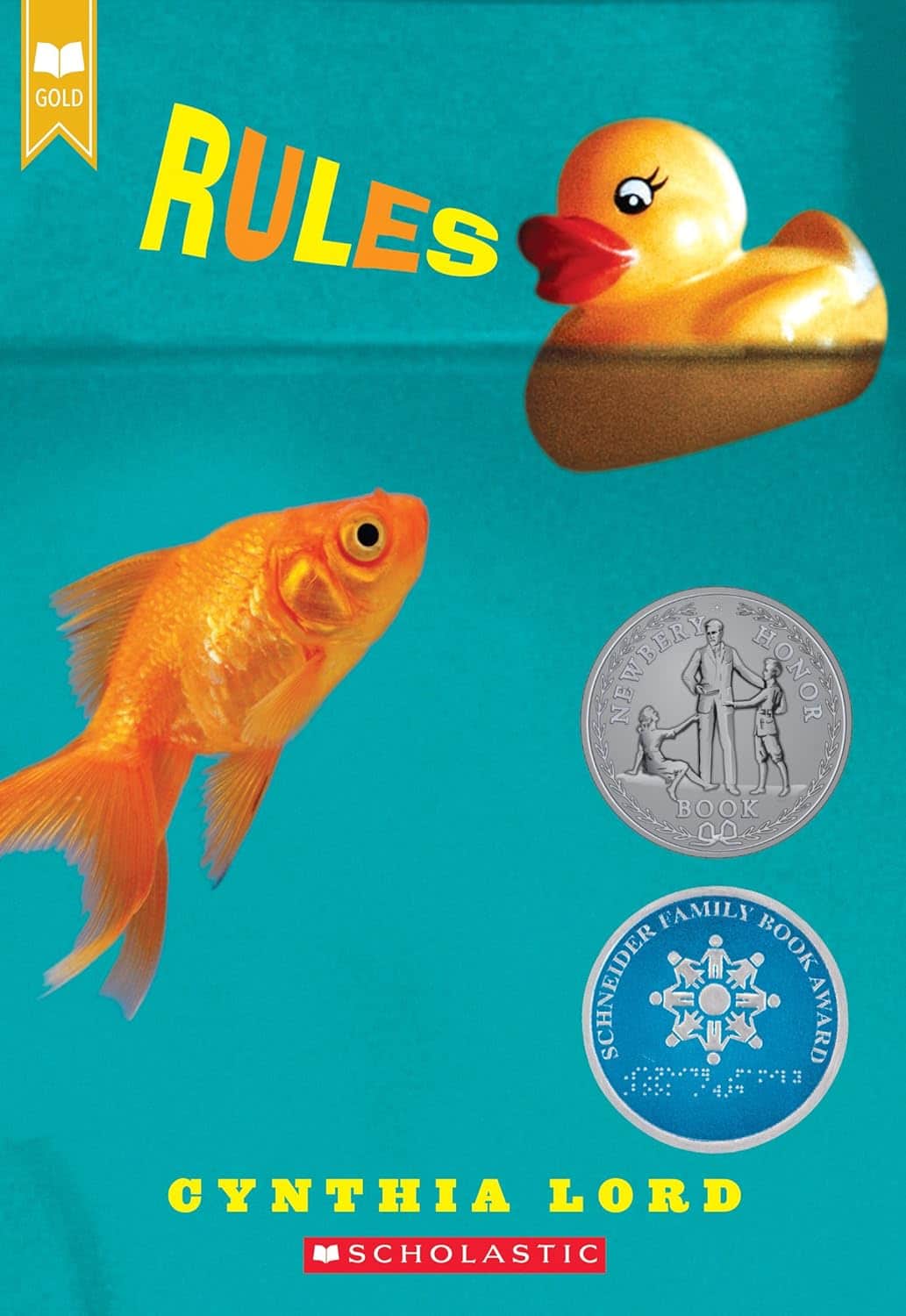
Rules (Scholastic Gold)
This Newbery Honor Book is a heartfelt and witty story about feeling different and finding acceptance -- beyond the rules.
Rules joins the Scholastic Gold line, which features award-winning and beloved novels. Includes exclusive bonus content!
Twelve-year-old Catherine just wants a normal life, which is near impossible when you have a brother with autism and a family that revolves around his disability. She's spent years trying to teach David the rules from "a peach is not a funny-looking apple" to "keep your pants on in public" -- in order to head off David's embarrassing behaviors.
But the summer Catherine meets Jason, a surprising, new sort-of friend, and Kristi, the next-door friend she's always wished for, it's her own shocking behavior that turns everything upside down and forces her to ask: What is normal?
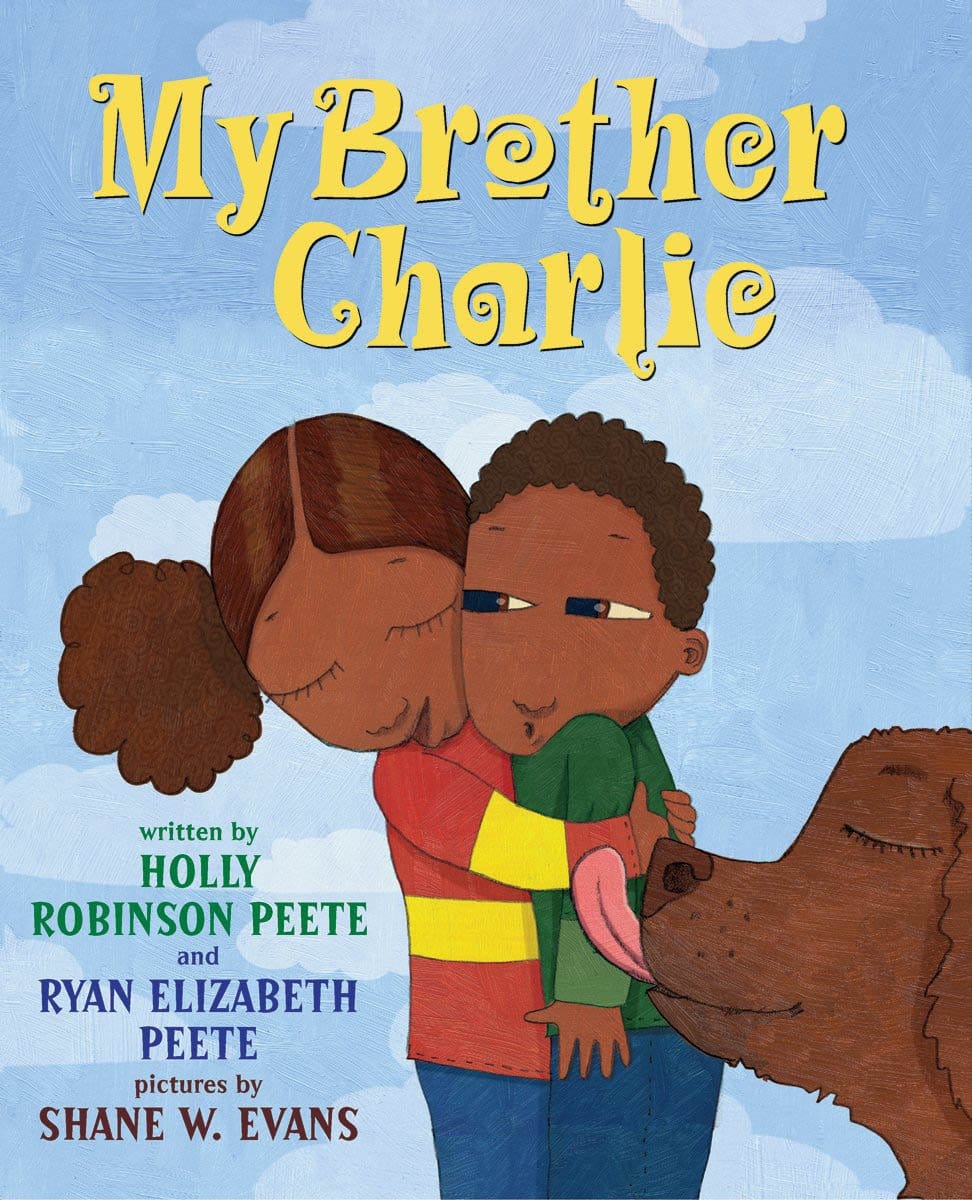
My Brother Charlie
From bestselling author and actress Holly Robinson Peete--a heartwarming story about a boy who happens to be autistic, based on Holly's son, who has autism.
"Charlie has autism. His brain works in a special way. It's harder for him to make friends. Or show his true feelings. Or stay safe." But as his big sister tells us, for everything that Charlie can't do well, there are plenty more things that he's good at. He knows the names of all the American presidents. He knows stuff about airplanes. And he can even play the piano better than anyone he knows.Actress and national autism spokesperson Holly Robinson Peete collaborates with her daughter on this book based on Holly's 10-year-old son, who has autism.
Fasten Your Seatbelt: A Crash Course on Down Syndrome for Brothers and Sisters
Are You Alone on Purpose?
Uncommon Fathers: Reflections on Raising a Child With a Disability

Thicker Than Water: Essays by Adult Siblings of People with Disabilities
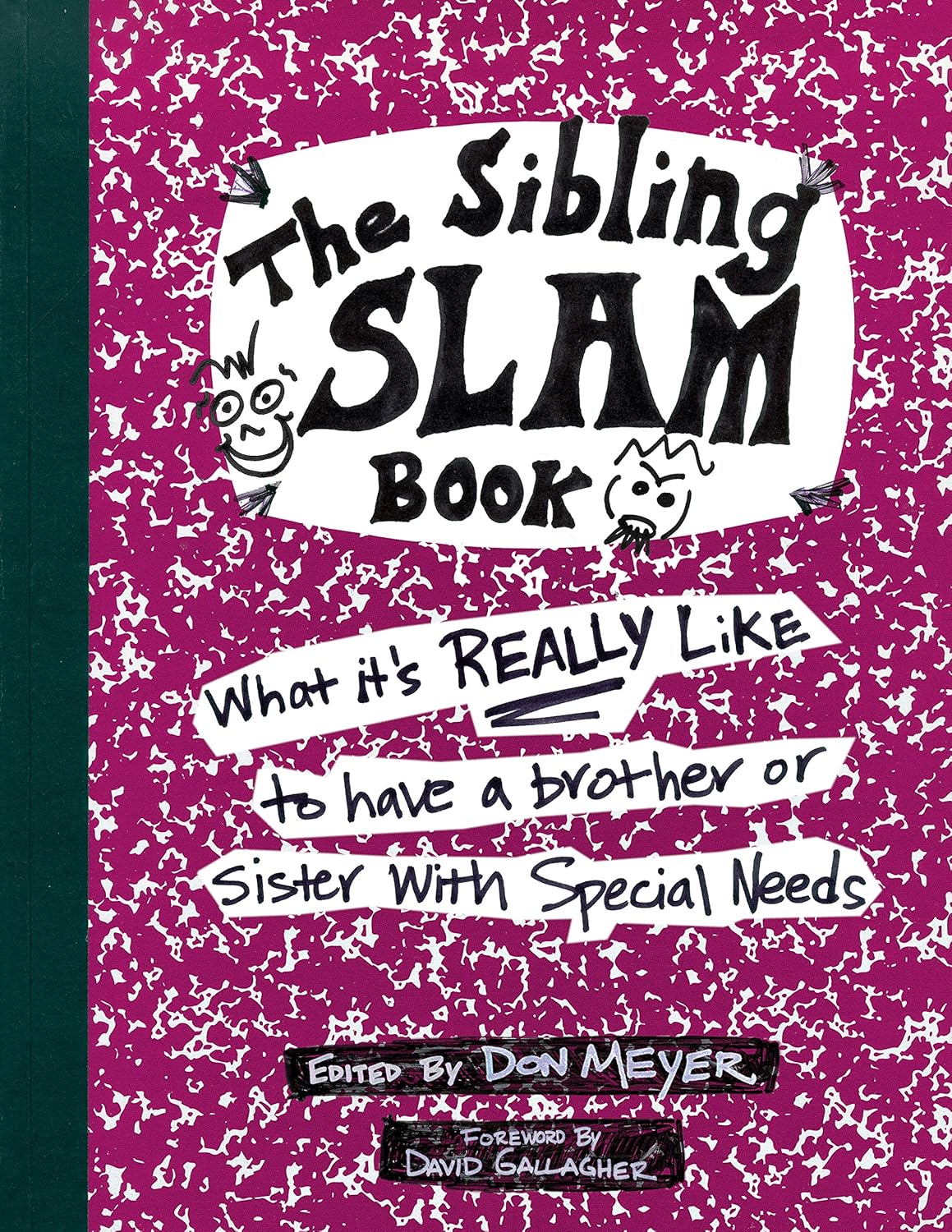
The Sibling Slam Book: What It’s Really Like To Have A Brother Or Sister With Special Needs
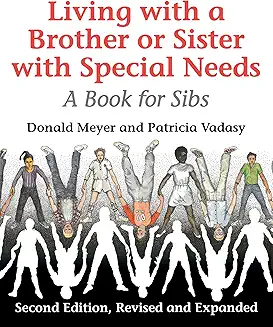
Living with a Brother or Sister with Special Needs: A Book for Sibs
Living with a Brother or Sister with Special Needs focuses on the intensity of emotions that brothers and sisters experience when they have a sibling with special needs, and the hard questions they ask: What caused my sibling's disability? Could my own child have a disability as well? What will happen to my brother or sister if my parents die? Written for young readers, the book discusses specific disabilities in easy to understand terms. It talks about the good and not-so-good parts of having a brother or sister who has special needs, and offers suggestions for how to make life easier for everyone in the family.
SibNet for adult siblings

The Arc’s Center for Future Planning, including free online tools for siblings and families to create a future plan
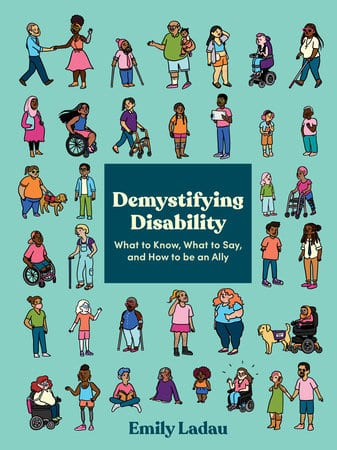
Demystifying Disability
What to Know, What to Say, and How to Be an Ally
People with disabilities are the world’s largest minority, an estimated 15 percent of the global population. But many of us—disabled and nondisabled alike—don’t know how to act, what to say, or how to be an ally to the disability community. What are the appropriate ways to think, talk, and ask about disability? Demystifying Disability is a friendly handbook on the important disability issues you need to know about, including:
• Recognizing and avoiding ableism (discrimination toward disabled people)
• Practicing good disability etiquette
• Ensuring accessibility becomes your standard practice, from everyday communication to planning special events
• Appreciating disability history and identity
• Identifying and speaking up about disability stereotypes in media
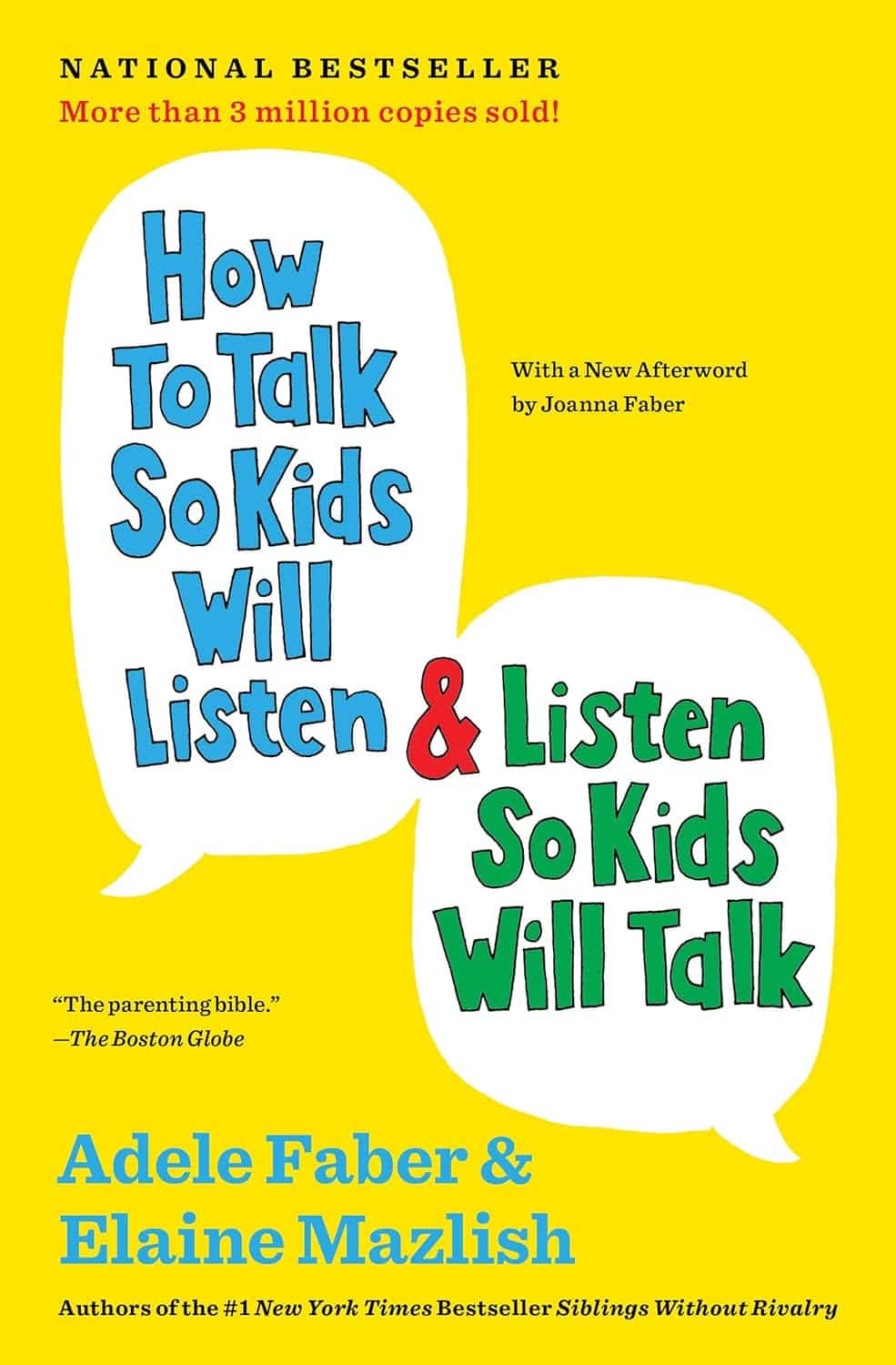
How to Talk So Kids Will Listen & Listen So Kids Will Talk
This bestselling classic by internationally acclaimed experts on communication between parents and children includes fresh insights and suggestions, as well as the author’s time-tested methods to solve common problems and build foundations for lasting relationships, including innovative ways to:
· Cope with your child’s negative feelings, such as frustration, anger, and disappointment
· Express your strong feelings without being hurtful
· Engage your child’s willing cooperation
· Set firm limits and maintain goodwill
· Use alternatives to punishment that promote self-discipline
· Understand the difference between helpful and unhelpful praise
· Resolve family conflicts peacefully
Enthusiastically praised by parents and professionals around the world, Faber and Mazlish’s down-to-earth, respectful approach makes relationships with children of all ages less stressful and more rewarding.
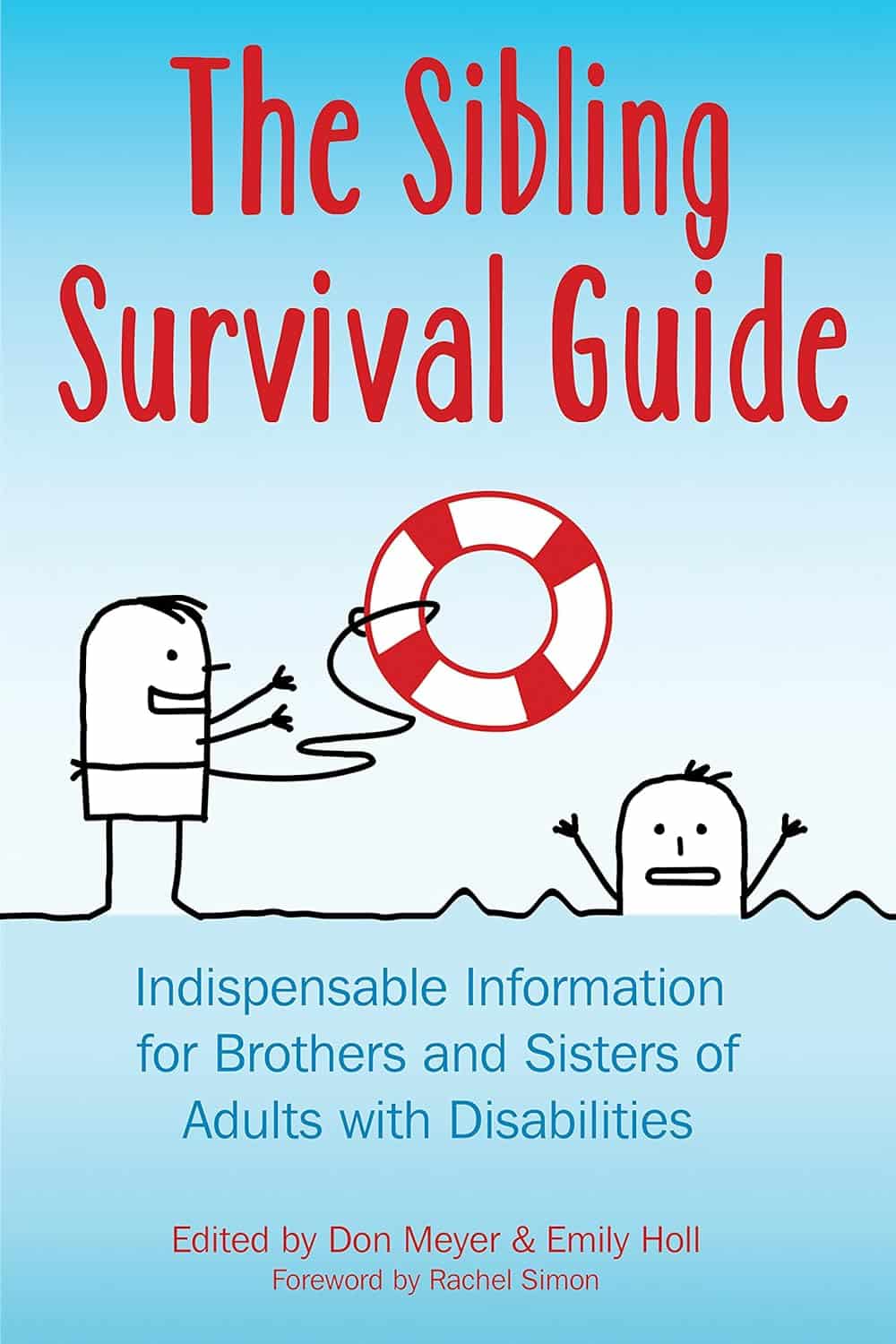
The Sibling Survival Guide: Indispensable Information for Brothers and Sisters of Adults With Disabilities
Supporting Siblings at School
Small Ways to Make a Big Difference for Siblings of Children with Disabilities
How to Let Young Siblings Know You Care
We asked over fifty adult brothers and sisters of people with disabilities: "When you were younger, what did your parents, family members, and service
providers do to make you feel special and let you know they cared?"
What Siblings Would Like Parents and Service Providers to Know – Spanish
Despite the important and life-long roles they will play in the lives of their siblings who have support needs, even the most family-friendly agencies often overlook siblings. Siblings, often left in the literal and figurative waiting rooms of service delivery systems, deserve better. True
“family-centered” care and services will arrive when siblings are actively included in agencies’ functional definition of “family.”
The Sibling Support Project facilitated a discussion on SibNet, its online community for adult siblings of people with disabilities, regarding the considerations siblings want from parents, other family members, and service providers. the attached paper is a discussion of themes discussed by SibNet members and recommendations from the Sibling Support Project:
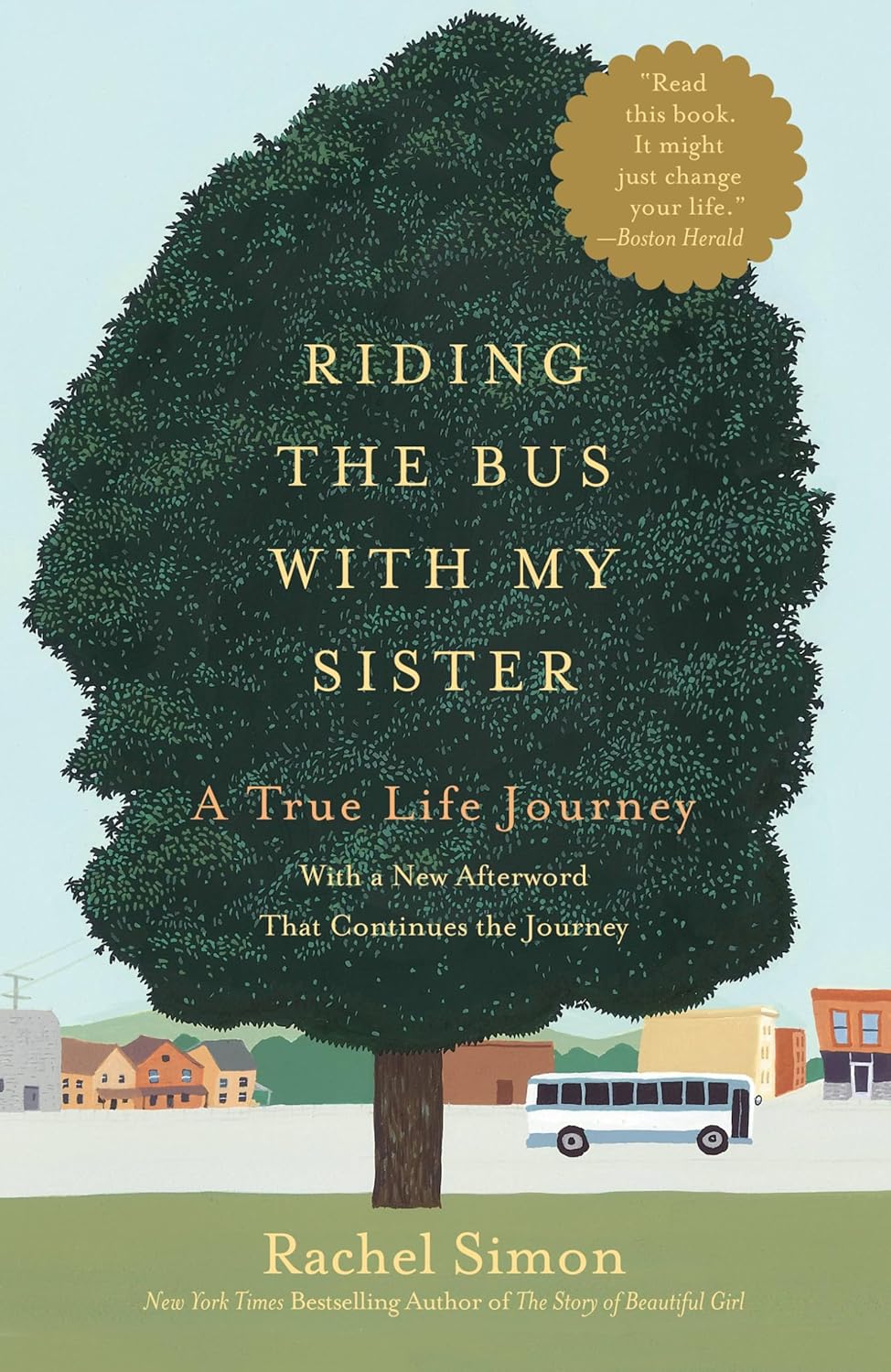
Riding the Bus with My Sister
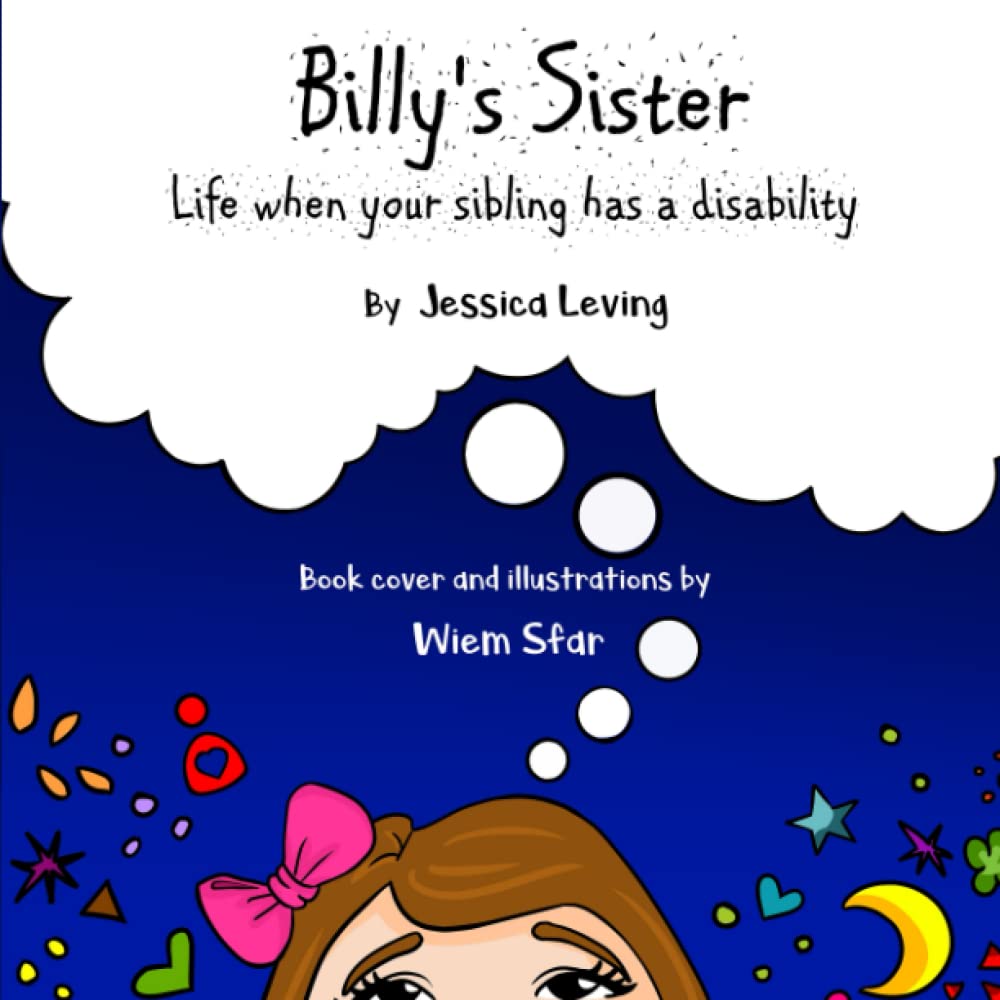
Billy’s Sister: Life when your sibling has a disability
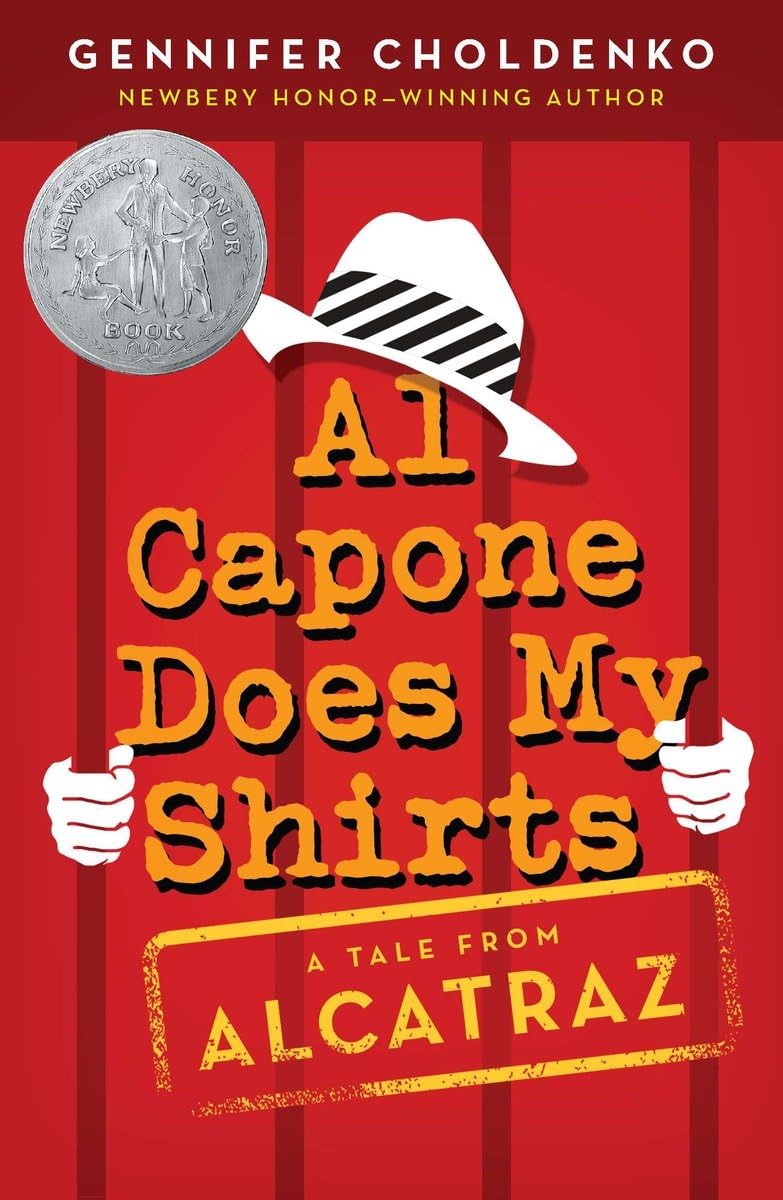
Al Capone Does My Shirts (Tales from Alcatraz)
What Siblings Would Like Parents and Service Providers to Know – English
Despite the important and life-long roles they will play in the lives of their siblings who have support needs, even the most family-friendly agencies often overlook siblings. Siblings, often left in the literal and figurative waiting rooms of service delivery systems, deserve better. True
“family-centered” care and services will arrive when siblings are actively included in agencies’ functional definition of “family.”
The Sibling Support Project facilitated a discussion on SibNet, its online community for adult siblings of people with disabilities, regarding the considerations siblings want from parents, other family members, and service providers. the attached paper is a discussion of themes discussed by SibNet members and recommendations from the Sibling Support Project:
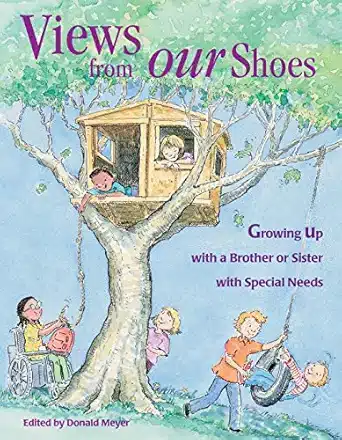
Views from Our Shoes: Growing Up With a Brother or Sister With Special Needs